From the first conversation to the warranty: how a custom home or renovation actually unfolds
Construction is only one of six stages, and knowing the others makes you a better client.
October 20, 2026 · 4 min read
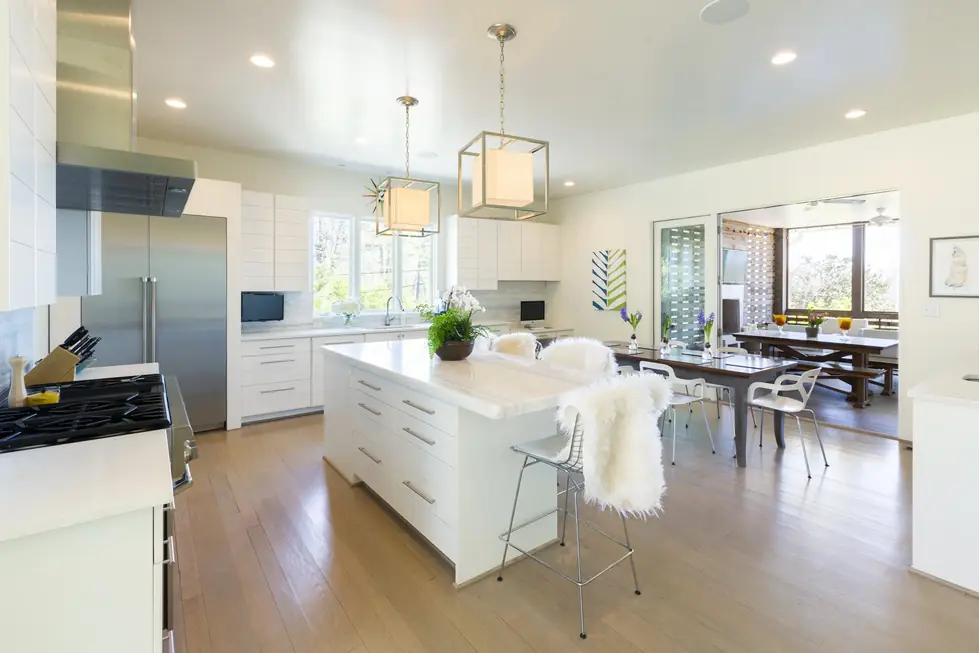
People hire a builder for the construction, but construction is only one stage of six. Spruce Renovations describes its process as Design, Estimating, Permitting, Construction, Management and Warranty. Other builders name the stages differently, but any serious project goes through some version of them. Knowing what each one is for makes you a better client and lowers the odds of an unwelcome surprise.
Design: listening first
Every project starts with a conversation. What isn't working, what you want, how your family lives, what you're willing to spend and when you'd like to be done. The design stage turns all of that into drawings, usually with an architect, and it's the cheapest place to change your mind. Moving a wall on paper takes an eraser. Moving it after the framing is up takes a lot more than that. So take your time here, walk through the plans room by room, and imagine ordinary days inside them: morning coffee, a houseful of guests, the long walk from the car with the groceries.
Estimating: putting real numbers to the plan
Estimating is where the drawings meet the market. A builder reads the plans in detail, prices the labor and materials, and tells you what the project is likely to require. Ask how allowances are handled for things you haven't chosen yet, like tile, fixtures and lighting, because vague allowances are where budgets tend to drift. Ask what is excluded. And if the number is higher than you hoped, this is the moment to talk about options, before anything is built, not halfway through. Two estimates for the same house can differ for honest reasons, so compare what's included line by line, not just the totals.
Permitting: the paperwork that protects you
Many projects need approval from the local building authorities before work starts, along with inspections as the work moves forward. What applies depends on the project and the location, so ask your builder what's required for yours and who handles the submissions. A good builder treats permitting as part of the job rather than an obstacle. Inspections exist to check work that will soon be hidden behind your walls, and that's a check you want on your side.
Construction: where the plan becomes a house
This is the part everyone pictures, and it depends on everything before it. Trades arrive in a sequence: site work and foundation, framing, roofing and weather protection, mechanical systems, insulation, then finishes. Each step depends on the one before. That's why it matters that a builder has trusted subcontractors who know how he works. During construction you'll be asked for decisions, and quick, clear answers keep things moving. If you're unsure, say so and ask for the options, not a rushed guess.
Management: the quiet work that holds it together
Management is the least visible stage and often the one that decides whether a project feels calm or chaotic. It means scheduling trades so they don't collide, ordering materials in time, checking the work against the plans, keeping you informed, and handling the changes that inevitably come up. Ask how you'll get updates and who your point of contact is. A well-run project feels organized even when the work itself is messy. Good management also means problems get raised early, while there's still room to solve them calmly.
Warranty: what happens after you move in
A house settles, seasons change, and now and then something needs attention. A warranty stage means the builder remains accountable after the final walkthrough. Ask exactly what's covered and for how long, and get it in writing before you sign. Don't assume. Terms vary from builder to builder, and the details matter more than the promise. It's also worth asking how you'd reach someone if a problem comes up, and who would actually come out to look at it.
Questions for your first meeting
- Who will I deal with day to day, and who makes the final calls on site?
- How do you work with the architect, and when do you want to see the drawings?
- How do you handle allowances and changes once construction has started?
- Who are the subcontractors, and how long have you worked with them?
- What does your warranty cover, and can I read it before I decide?
A builder who answers these directly and without hurry is telling you something good about the rest of the process.
A word from Spruce
Founder Steve Varner and the Spruce Renovations team take new custom homes and specialty renovations through all six of these stages, working alongside the homeowner and the architect. Steve has been building and renovating around Birmingham for over 30 years. If you're thinking about a custom home, an addition or a renovation and want to understand how it would unfold for yours, call 205.369.2777.
Spruce Renovations, 205.369.2777
Call 205.369.2777More articles
Renovate the house you have or build a new one? How a Birmingham family can decide
Neither choice is the smart one by default, so here's how to work out which one fits your house, your lot and your life.
Why your architect and your builder should meet before the drawings are finished
A finished set of plans is the worst time for a builder to see them for the first time.