Tudor, Craftsman, Country French: renovate with the house you have, not against it
When a renovation listens to the house, the finished work feels inevitable instead of imposed.
October 20, 2026 · 4 min read
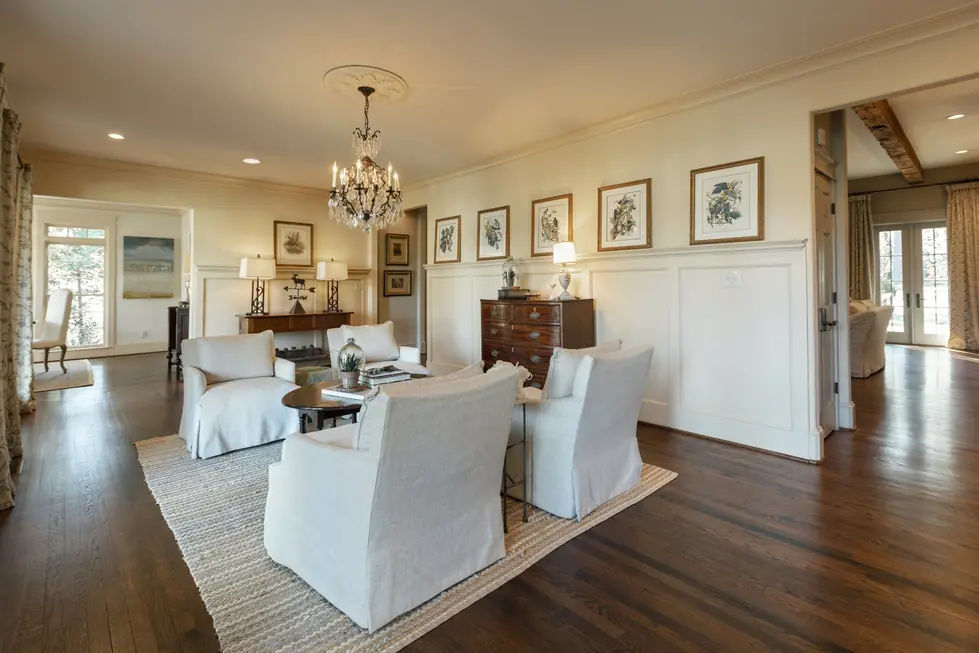
A house with a clear style has already told you what it wants. A Tudor wants steep gables, heavy timber and a sense of enclosure. A Craftsman wants a wide porch and honest joinery. A Country French house wants warmth, texture and a loose, lived-in symmetry. When a renovation listens to that, the finished work feels inevitable. When it argues with the house, the result feels like a costume change. Here's how to tell which one you're doing.
Learn what the style is made of
Before you change anything, find out what makes the house what it is. Styles are built from a short list of recurring ingredients, and they usually live in proportions and details more than in decoration.
- Tudor: steep roof pitches and cross gables, decorative half-timbering, tall narrow windows set in groups, and masonry with real texture.
- Craftsman: low-pitched roofs with deep overhangs, exposed rafter tails, tapered porch columns, and plenty of built-in woodwork.
- Country French: hipped or steep roofs, symmetrical or gently asymmetric facades, arched openings, stone or stucco, and shutters that look like they could close.
Spotting these in your own house gives you a checklist of what to protect. If you aren't sure what you have, ask your architect or builder to point out the defining features before any plans are drawn. Many homes blend styles, and it helps to know which one is leading.
Where to modernize and where to hold back
Almost every renovation of a period house runs into the same tension. Families want open kitchens, bigger windows, better light and a primary suite that works. The house wants to keep its proportions. The usual answer is to put modern life in the places the original style never claimed, and to be disciplined about the places it did. Open up the back of the house, where the kitchen meets the porch or the garden, and leave the front rooms with their original character. Add light in a way that echoes the style, such as French doors in a Country French house or a bank of divided windows in a Craftsman.
A good test is the view from the street. If someone driving past can't tell what changed, you've probably listened to the house.
Details do the heavy lifting
Style lives in details that add little to a drawing and show up everywhere in the finished room: how a doorway is cased, how deep the window trim is, the shape of a stair rail, the way paneling meets a ceiling. In a paneled sitting room, the height of the wainscot and the profile of its cap matter more than the paint color. When you add a room or replace a section of trim, ask for the new pieces to be milled or selected to match the old ones, not chosen from the nearest catalog.
Materials matter just as much. Reclaimed timber, plaster, real stone and solid wood age in ways that thinner substitutes don't. That doesn't mean everything has to be authentic to the century it came from. It means choosing materials that behave the way the originals did, so the old and the new age together instead of drifting apart.
What about Contemporary and Modern homes?
The same principle holds. A Contemporary or Modern house runs on clean lines, big glass, restrained materials and exact proportions, which makes it unforgiving. There's very little decoration to hide a mismatched detail. Renovating one calls for the same attention to what the architect intended: sightlines, the rhythm of openings, how materials meet. The discipline is to add only what belongs, and to keep the quiet things quiet.
When it's right to change direction
Sometimes a house has been renovated badly before, or its style has been watered down by decades of small changes, and the honest move is to choose a direction and commit to it. That's a legitimate way to renovate, but it should be a decision rather than a drift. Work with your architect and builder to decide what you're restoring, what you're keeping and what you're reimagining, and write it down. Having it on paper helps every later choice, from the front door to the light switches.
The same goes for the things you simply dislike. A style is not a rulebook. If the original floor plan chops the kitchen off from the family, change it. The goal is not to preserve a house like a museum piece. It's to make changes that look as though the original builder would have recognized them.
Choose people who know the styles
Period details need hands that have done them before. When you're interviewing builders, ask about similar homes they've worked on and how they handle trim, masonry and structural work in an older house. Ask what they'd do about a detail you love that is hard to source. The answer tells you whether they respect the house or just work on it.
Spruce Renovations works with Tudor, Craftsman, Country French, Contemporary and Modern homes, and founder Steve Varner tailors each project to the homeowner and the house. He has been building and renovating in the Birmingham area for over 30 years. If you're weighing a renovation and want to talk about your own house, call 205.369.2777.
Spruce Renovations, 205.369.2777
Call 205.369.2777More articles
Renovate the house you have or build a new one? How a Birmingham family can decide
Neither choice is the smart one by default, so here's how to work out which one fits your house, your lot and your life.
Why your architect and your builder should meet before the drawings are finished
A finished set of plans is the worst time for a builder to see them for the first time.